The Benefits of Incorporating Lean Protein into Your Fitness Regimen
Incorporating lean protein into your fitness regimen is crucial for optimizing muscle recovery and growth. Compared to high-fat proteins, lean sources, such as chicken breast, turkey, fish, and plant-based options like lentils and chickpeas, provide essential amino acids without excess calories. This is particularly beneficial for individuals looking to build muscle while managing body fat percentage. The nutrients from lean protein not only help repair tissue after workouts but also play a role in maintaining a healthy metabolism, allowing your body to burn calories more efficiently.
Moreover, lean protein can aid in weight management by promoting satiety, which helps reduce cravings and snacking between meals. Including lean protein in every meal encourages a balanced diet and can enhance overall nutritional intake. For instance, consider incorporating a variety of lean protein sources into your meals:
- Start your day with a protein-rich breakfast, like scrambled eggs or Greek yogurt.
- Opt for grilled chicken or fish for lunch, complemented by a sizable serving of vegetables.
- Finish your day with a light dinner including legumes or tofu.
By making these simple adjustments, you can harness the power of lean protein to fuel your workouts and support your overall health goals.
Top 10 Lean Protein Sources to Supercharge Your Workouts
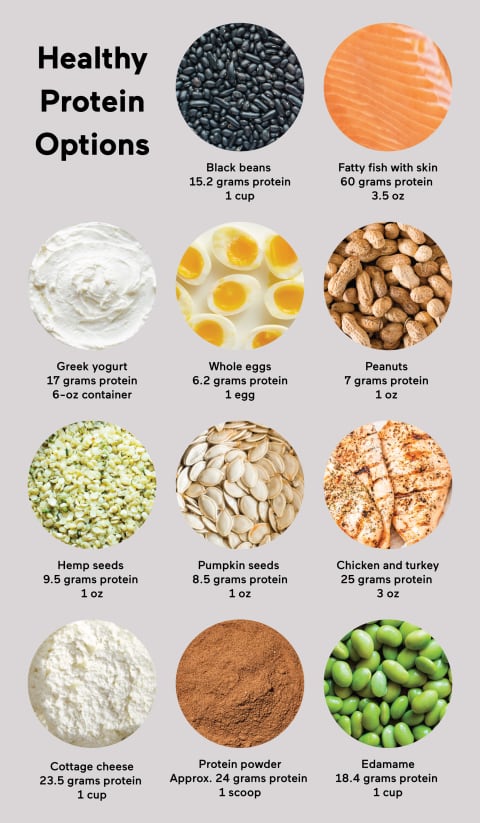
When it comes to enhancing your workout performance, incorporating lean protein sources into your diet is essential. Lean proteins not only help in muscle repair and growth but also support overall health without piling on excess calories. Here are the Top 10 Lean Protein Sources that can supercharge your workouts:
- Chicken Breast: A classic choice, rich in protein and low in fat.
- Turkey: Another poultry option, packed with nutrients and flavor.
- Fish: Varieties like salmon and tuna are excellent for healthy fats and protein.
- Eggs: A versatile source of high-quality protein; consider using egg whites for a leaner option.
- Greek Yogurt: Not only high in protein but also a great source of probiotics.
- Legumes: Beans and lentils are plant-based proteins that are filling and nutritious.
- Tofu: A fantastic option for vegetarians, providing essential amino acids.
- Cottage Cheese: This dairy product is low in fat and high in casein protein.
- Lean Beef: Choose cuts like sirloin for a protein boost.
- Quinoa: Considered a complete protein, it also offers fiber and several minerals.
How Much Protein Do You Really Need for Optimal Fitness?
When it comes to achieving optimal fitness, protein intake plays a crucial role. The amount of protein you need can vary significantly based on several factors including your age, sex, weight, activity level, and fitness goals. Generally, it is recommended that active adults consume between 1.2 to 2.0 grams of protein per kilogram of body weight per day. For example, a person weighing 70 kg (154 lbs) might need between 84 to 140 grams of protein daily. This variation highlights the importance of tailoring your protein intake to suit your individual needs.
Furthermore, understanding the timing and distribution of protein intake throughout the day can maximize its benefits for muscle recovery and growth. A balanced approach would be to consume protein in every meal, ideally containing 20 to 30 grams of high-quality protein, especially post-workout when your muscles are primed for repair. Incorporating diverse protein sources such as lean meats, dairy, legumes, and plant-based proteins can not only meet your protein needs but also provide essential nutrients for overall health. Remember that exceeding protein requirements won't necessarily lead to increased fitness gains, so aim for a well-rounded diet that includes carbs and fats in the right proportions.