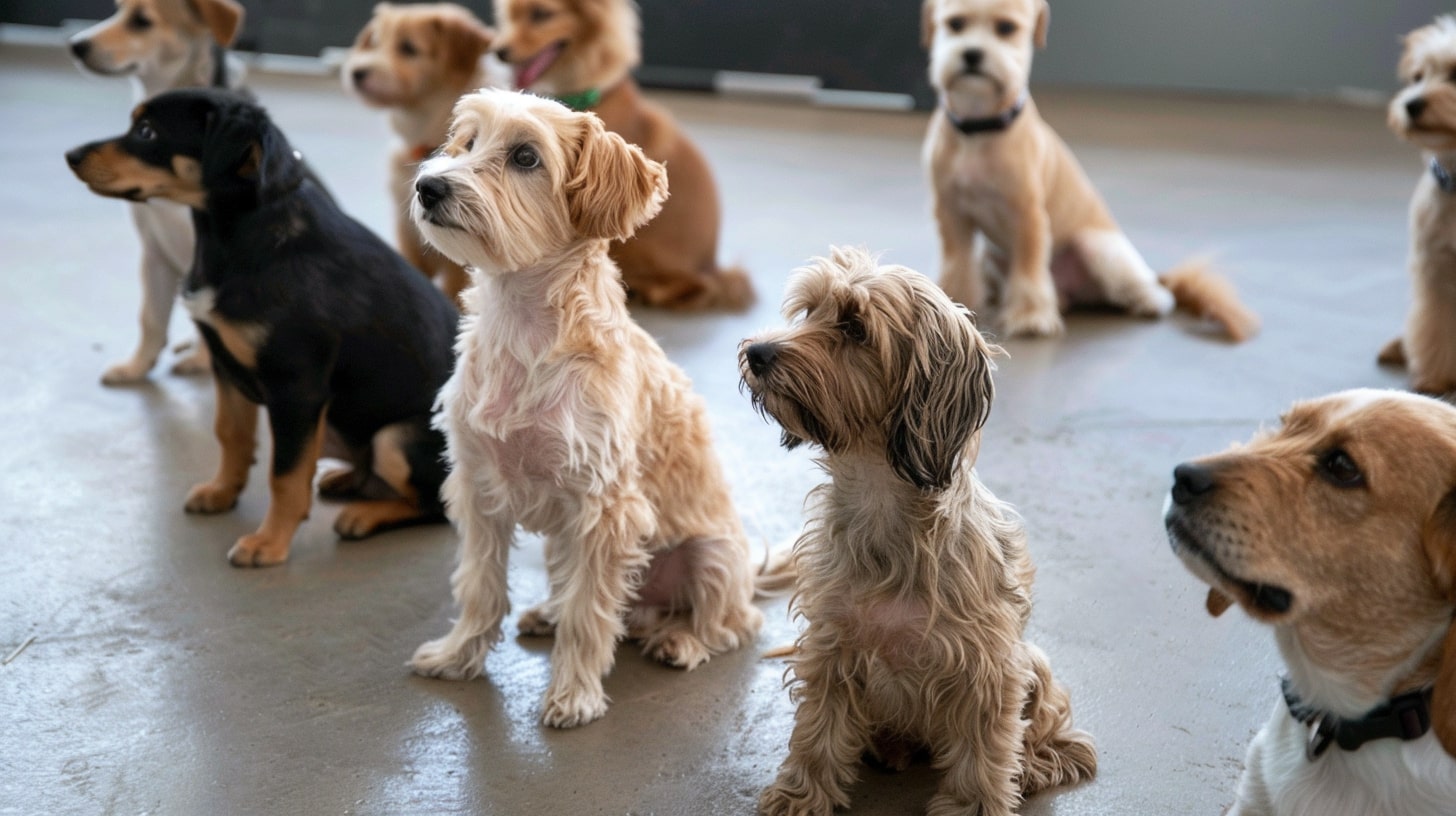
Top 5 Essential Commands Every Puppy Should Master
Training your puppy is an essential part of responsible pet ownership, and mastering basic commands is vital for their safety and behavior. Here are the Top 5 Essential Commands Every Puppy Should Master:
- Sit: This simple command helps manage your puppy's behavior and can be essential in various situations, from halting their excitement to preparing for meal time. Teaching 'sit' provides a foundation for further training.
- Stay: Once your puppy has mastered 'sit', the 'stay' command is critical for their safety, especially in potentially dangerous situations. It helps your dog learn to remain in one place until you allow them to move, which can prevent accidents.
Continuing with our essential commands,
- Come: Teaching your puppy to come when called can be life-saving. This command ensures that your puppy returns to you in case they wander off, which is especially important during outdoor walks or at the dog park.
- Down: The 'down' command encourages a calm demeanor and helps prevent jumping up on guests. It is also a useful command for training your puppy to settle down when necessary.
- Leave It: This command protects your puppy from potentially harmful items or substances. Teaching 'leave it' can prevent dangerous situations where your puppy might pick up something harmful.
How to Create a Fun and Effective Puppy Training Schedule
Creating a fun and effective puppy training schedule is essential for ensuring your furry friend develops good behavior habits. Start by assessing your puppy's needs, considering factors such as age, breed, and temperament. A well-structured schedule not only keeps you organized but also makes training sessions enjoyable for both of you. Aim for short, frequent sessions of 5 to 15 minutes, allowing your puppy to stay engaged and focused. You can consider implementing a weekly plan that includes basic commands, potty training, and socialization activities. For detailed guidance, check out this puppy training schedule from the American Kennel Club.
Additionally, make sure to incorporate interactive play and positive reinforcement into your schedule. When your puppy successfully learns a new command or exhibits good behavior, use treats and praise to reward them. This helps reinforce their learning and builds a trusting bond between you both. To maintain consistency, keep training times the same every day, and gradually introduce new skills as your puppy progresses. Remember to remain patient and have fun throughout this journey; training should be a joyful experience for you and your puppy! For more on creating engaging training activities, visit the Humane Society's tips.
Common Puppy Training Mistakes and How to Avoid Them
Puppy training can be a delightful yet challenging experience for new pet owners. One of the common puppy training mistakes is being inconsistent with commands and rules. For instance, if a puppy is scolded one day for jumping on the couch but then allowed on the couch the next day, it creates confusion. To avoid this, it's crucial to establish clear rules and stick to them consistently. Using positive reinforcement is another key strategy; rewarding good behavior encourages your puppy to repeat it. For tips on consistency in dog training, you can refer to AKC's puppy training tips.
Another significant mistake is neglecting socialization during the critical stages of a puppy's development. A lack of exposure to various environments, people, and other animals can lead to behavioral problems later on. Aim to introduce your puppy to new experiences gradually, making it a positive experience. Proper socialization contributes to your puppy's confidence and reduces anxiety. For more insights on how to effectively socialize your puppy, visit the Humane Society's guide. Remember, the goal is to cultivate a well-adjusted adult dog, and starting with socialization is key!