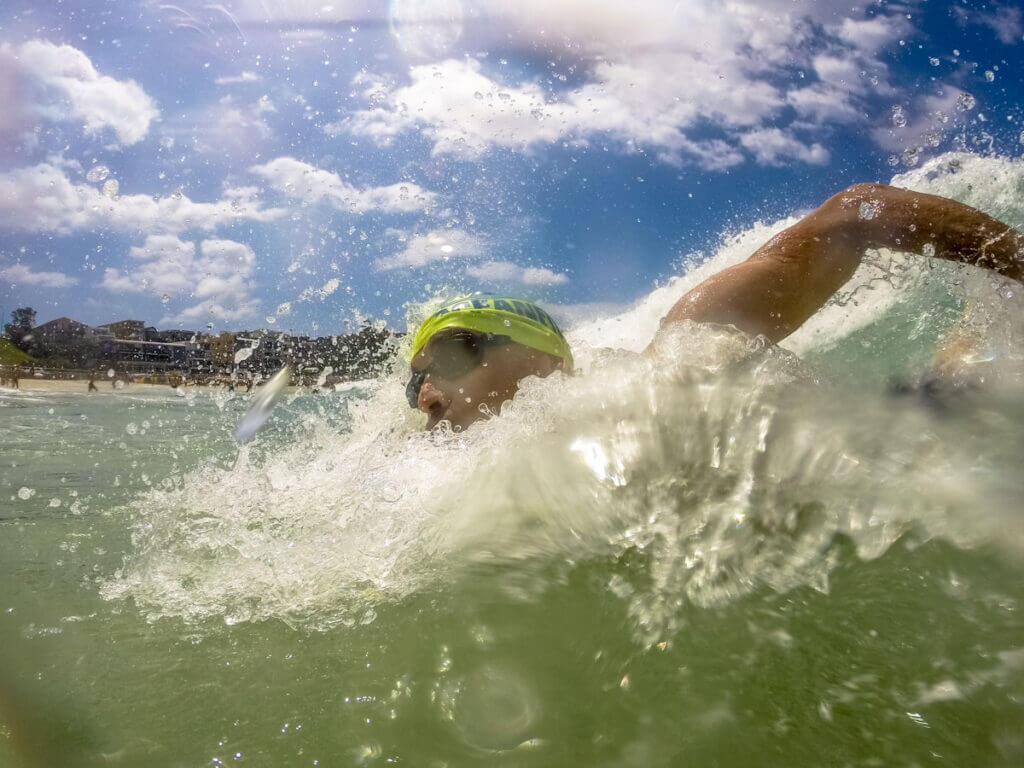
5 Essential Techniques to Master Your Swimming Skills
Improving your swimming skills requires dedication and the right techniques. Here are 5 essential techniques that will help you enhance your performance in the water:
- Breathing Control: Mastering your breathing is crucial. Practice rhythmic breathing to ensure that you maintain buoyancy and streamline your strokes.
- Body Positioning: Keeping a horizontal and streamlined body position minimizes drag, allowing you to swim faster and more efficiently.
- Kick Technique: A strong and effective kick can propel you through the water. Focus on achieving a quick, compact kick that originates from the hips rather than the knees.
As you continue to refine your swimming, remember to incorporate these additional techniques:
- Stroke Mechanics: Analyze your stroke to ensure you’re using proper form and technique. This can include high elbows during the catch and an efficient hand entry.
- Practice Drills: Incorporate specific drills into your training routine that target your weaknesses and reinforce good habits.
By focusing on these 5 essential techniques, you will unlock your potential in the water and become a more proficient swimmer.
Unlocking the Secrets of Effortless Glide: Tips for Every Swimmer
To achieve an effortless glide in the water, every swimmer must focus on their body position and technique. Maintaining a streamlined posture is essential; this involves keeping your body flat and your head in line with your spine. When you enter the water, remember to keep your arms extended and fingertips pointing forward. Here are some essential tips to help you:
- Practice proper breathing: Timing your breaths can reduce resistance.
- Engage your core: A strong core helps maintain a stable body position.
- Utilize your legs: Use a gentle kick to propel yourself forward without causing drag.
In addition to mastering body mechanics, mental focus plays a significant role in achieving an effortless glide. Visualization can enhance your performance; imagine yourself smoothly cutting through the water without resistance. Moreover, consider these final tips:
- Find your rhythm: A consistent and smooth stroke rate promotes a natural glide.
- Incorporate drills: Drills such as catch-up freestyles can help improve your technique.
- Stay relaxed: Tension in the water can hinder your glide; ensure your muscles are loose.
Common Swimming Mistakes and How to Avoid Them
Swimming is an excellent form of exercise, but many enthusiasts make common swimming mistakes that can hinder their progress and enjoyment. One of the most prevalent errors is poor body position in the water, which can lead to inefficient strokes and increased drag. Swimmers should aim to maintain a horizontal alignment, keeping their head in line with their body and avoiding an over-extended neck. By focusing on a streamlined posture, a swimmer can reduce resistance and move through the water more effortlessly.
Another frequent mistake is neglecting proper breathing techniques, often leading to panic and fatigue. Swimmers should practice taking relaxed breaths by inhaling through the mouth while turning the head to the side during freestyle strokes. This habit can be improved through drills that emphasize timing and rhythm. Additionally, improper kick technique can also detract from a swimmer's performance; it is essential to keep the legs somewhat straight and initiate kicks from the hips rather than the knees. By correcting these common swimming mistakes, swimmers can enhance their efficiency and overall enjoyment in the pool.